Source eco-friendly woven fabric neck label for Garments, Shoes, Bags
Find 30 listings for eco-friendly woven fabric neck label tailored for garments, shoes, and bags. Buyers can compare customization options, materials, and lead times to select the right supplier for their apparel needs.
Key considerations
Products List


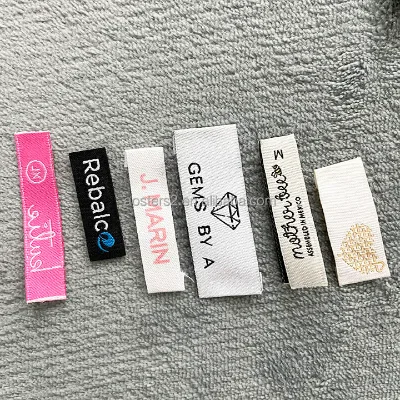
Custom Labels High Density Garment Neck Satin Woven Fabric Label for Clothing
$0.00 - $0.30
MOQ: 100 Pieces

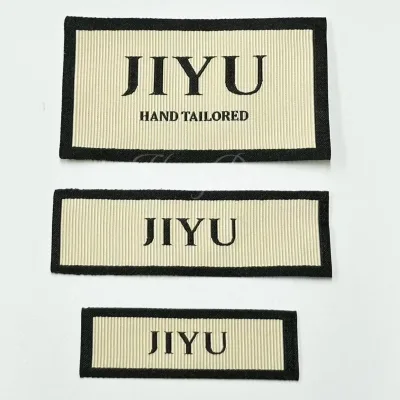
Best Quality Soft Fold Garment Custom Woven Neck Label Fabric Clothing Labels
$0.01 - $0.30
MOQ: 100 Pieces

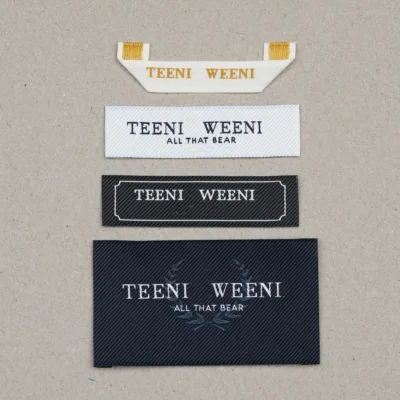


Custom Brand Name Logo Garment Neck Label Fabric Woven Label for Clothing
$0.05 - $0.30
MOQ: 100 piece





Comprehensive Sourcing Guide
Strategic Sourcing Guide for Eco-Friendly Woven Fabric Neck Labels
Understanding the Technical Specifications of Woven Fabric Labels
When sourcing eco-friendly woven fabric neck labels, buyers must first establish a clear understanding of the physical and technical attributes that define the product category. The core material for these labels is woven fabric, a textile construction that offers superior durability and a premium tactile feel compared to printed alternatives. The weaving process creates a tight, interlaced structure that resists fraying and maintains legibility through repeated washing cycles. In the current market, these labels are frequently produced with a "Folded" shape, specifically utilizing an "End Fold" technique. This folding method creates a clean, finished edge that prevents unraveling and ensures the label sits flat against the garment without causing irritation to the wearer.
The visual presentation of the label is equally critical. While the base material is woven, the production technique often involves printing to add specific details, logos, or care instructions. The color palette is highly customizable, allowing brands to match specific brand identities, though black remains a common standard option. The shape of the label can vary, with triangle and rectangle patterns observed in the market, offering flexibility for different garment styles and branding requirements. The size is almost universally customizable, enabling buyers to specify exact dimensions to fit the neckline of various apparel types, from delicate silk blouses to heavy denim jackets.
The application of these labels extends beyond simple branding. They are designed for use in garments, shoes, and bags, indicating a versatile utility across the fashion and accessory sectors. The backing options are diverse, supporting methods such as sewing on, ironing on, or sticking on, which allows for integration into different manufacturing workflows. Some advanced iterations feature ultrasonic cutting, a technique that seals the edges of the fabric without the need for traditional thread, further enhancing the eco-friendly profile by reducing material waste and chemical usage associated with traditional hemming.
Compliance and Certification Verification Protocols
For buyers prioritizing sustainability, verifying the environmental credentials of the supplier is a non-negotiable step in the procurement process. The product attributes explicitly highlight "Eco-Friendly" and "Recycled" as key features, suggesting that the supply chain may incorporate post-consumer or post-industrial waste materials. However, the presence of these claims requires rigorous validation. Buyers should not rely solely on marketing descriptions but must request evidence of compliance with recognized international standards.
While specific certifications like FSC (Forest Stewardship Council) or OEKO-TEX are often associated with sustainable textiles, their presence must be confirmed on a per-shipment basis. The supplied data indicates that the product origin is primarily China, with specific manufacturing hubs in Dongguan and Zhejiang. Buyers should verify if the suppliers in these regions hold valid ISO 14001 certification for environmental management systems. This standard ensures that the manufacturer has a systematic approach to minimizing their environmental impact, managing waste, and reducing energy consumption during the weaving and finishing processes.
Furthermore, the "Washable" and "Wash Care" features imply that the labels must withstand rigorous testing without degrading or fading. This durability is a prerequisite for compliance with international textile safety standards. Buyers should ensure that the labels do not contain harmful substances that could be released during washing or wear. The "Anti-counterfeit" and "Barcode" features mentioned in the product attributes add a layer of complexity to the compliance check. These features often require specific inks or thread types that must also meet environmental safety regulations. Therefore, the verification process should include a review of the supplier's Quality Management System (QMS) to ensure that every batch of eco-friendly woven labels meets both the functional requirements and the environmental claims made by the manufacturer.
Cost Drivers and Pricing Dynamics in the Market
The pricing structure for eco-friendly woven fabric neck labels is influenced by a combination of material costs, production complexity, and order volume. The observed market price range for these items is relatively low, typically falling between $0 and $0.75 USD per unit. This affordability makes them accessible for a wide range of brands, from startups to established retailers. However, the final cost is heavily dependent on the Minimum Order Quantity (MOQ). The data indicates a standard MOQ of 100 pieces, with a broader observed range extending up to 1,000 pieces.
Buyers should be aware that the "Custom" nature of the product introduces variable costs. Customization involves setting up specific looms, designing unique patterns, and potentially sourcing recycled yarns, all of which incur setup fees. While the base price may appear low, the cost per unit can fluctuate based on the complexity of the design. For instance, a simple rectangle label with a single color weave will be less expensive than a complex triangle label with multi-color printing and ultrasonic cutting. Additionally, the "Custom Brand" and "Custom Logo" options require precise alignment and quality control, which can add to the overall production cost.
The lead time is another significant factor in the total cost of ownership. The typical bulk production time is reported as 3-7 days, with sample times ranging from 1-3 days. This relatively short turnaround suggests a highly efficient manufacturing process, likely located in regions with established textile infrastructure. However, buyers should factor in the time required for shipping and customs clearance, especially when sourcing from China. The "Small Orders: Accepted" attribute indicates flexibility for smaller brands, but the unit price for orders near the MOQ of 100 pieces may be higher than for bulk orders. Understanding these cost drivers allows buyers to negotiate more effectively and plan their inventory management to optimize cash flow.
Typical Applications and Versatility Across Industries
Eco-friendly woven fabric neck labels are designed for broad application across the fashion and accessory industries. The primary use cases include clothing, shoes, and bags, as explicitly noted in the product specifications. In the garment sector, these labels serve as the primary point of brand identification, often placed at the back of the neck or inside the side seam. The "Woven Fabric" material ensures that the label remains intact and legible even after numerous wash cycles, a critical requirement for high-quality apparel.
The versatility of these labels extends to the footwear industry, where they are used to display brand logos and size information on shoes. The durability of the woven construction is particularly valuable here, as shoes are subjected to significant friction and stress. Similarly, in the bag and luggage market, these labels provide a durable branding solution that can withstand the rigors of travel and daily use. The "Folded" shape and "End Fold" technique ensure that the label does not snag on other items or cause discomfort to the user, making it suitable for a wide variety of product designs.
The "Custom Size" and "Custom Color" options allow for tailored solutions that fit the unique aesthetic of each brand. Whether a brand requires a minimalist design for a luxury handbag or a bold, colorful label for a streetwear sneaker, the manufacturing process can accommodate these needs. The "Printed" technique adds another layer of customization, enabling the inclusion of care instructions, size charts, or promotional messages directly on the label. This versatility makes eco-friendly woven fabric neck labels an essential component for brands looking to maintain a consistent and sustainable image across their entire product line.
Supplier Evaluation and Quality Control Measures
Selecting the right supplier is paramount to ensuring the quality and sustainability of the neck labels. Buyers should evaluate potential partners based on their production capabilities, specifically their ability to handle "Woven" and "Printed" techniques simultaneously. The presence of "Ultrasonic cut" technology is a strong indicator of a modern, efficient facility that prioritizes precision and waste reduction. Suppliers should also demonstrate a commitment to "Eco-Friendly" practices, which can be verified through their environmental certifications and waste management policies.
Quality control should be a continuous process throughout the production cycle. Buyers must verify that the supplier has robust inspection protocols in place to ensure that the "Washable" and "Anti-counterfeit" features function as intended. This includes testing the label's resistance to fading, shrinking, and fraying. The "Polybag" packing method mentioned in the specifications suggests a standard approach to protecting the labels during transit, but buyers should confirm that the packaging itself is also eco-friendly if sustainability is a core brand value.
The "Bulk Time" of 3-7 days and "Sample time" of 1-3 days indicate a responsive supply chain, but buyers should also assess the supplier's ability to handle rush orders or volume spikes. The "Small Orders: Accepted" attribute is beneficial for testing new designs, but the supplier should also have the capacity to scale up production as the brand grows. Regular communication and clear specifications are essential to avoid misunderstandings regarding the "Custom" nature of the product. Buyers should request samples that match the exact specifications of the final order to ensure consistency in color, texture, and size before committing to a large batch.
Long-Term Procurement and Supply Chain Resilience
Building a long-term relationship with a reliable supplier is crucial for maintaining a consistent supply of eco-friendly woven fabric neck labels. The "Custom" nature of the product means that once a design is established, the supplier becomes a key partner in the brand's identity. Buyers should consider the supplier's location, with Dongguan and Zhejiang in China being prominent hubs for textile manufacturing. These regions offer a mature ecosystem of suppliers, raw material sources, and logistics networks, which can enhance supply chain resilience.
However, buyers should also be mindful of potential risks, such as geopolitical tensions or supply chain disruptions. Diversifying the supplier base or maintaining a safety stock of critical labels can mitigate these risks. The "Recycled" material aspect of the product adds a layer of complexity to the supply chain, as the availability of high-quality recycled yarns can fluctuate. Buyers should work closely with their suppliers to ensure a steady supply of sustainable materials, potentially by entering into long-term contracts that guarantee volume and pricing stability.
Finally, the evolving landscape of sustainability regulations requires buyers to stay informed and proactive. As environmental standards become more stringent, the demand for verified eco-friendly products will increase. By choosing suppliers who are committed to continuous improvement and transparency, brands can future-proof their supply chains and maintain their competitive edge in the market. The ability to adapt to new standards and technologies, such as advanced anti-counterfeit features or more efficient cutting methods, will be a key differentiator for successful procurement strategies in the years to come.
FAQs
What material is used for these neck labels?
The labels are made from woven fabric, which offers durability and a premium feel. This material resists fraying and maintains legibility through repeated washing cycles, ensuring long-lasting brand identification on garments and accessories.
Can I order small quantities of these labels?
Yes, small orders are accepted with a standard minimum order quantity of 100 pieces. Some suppliers may allow quantities as low as one, but the typical bulk threshold starts at 100 units to accommodate customization needs.
How long does it take to produce a bulk order?
Bulk production typically requires 3 to 7 days to complete. This lead time reflects an efficient manufacturing process, though sample orders can be prepared within 1 to 3 days for quality verification before full production.
Are these labels suitable for washing and care instructions?
Yes, the labels are washable and designed to withstand repeated washing cycles. They feature eco-friendly properties and often include wash care details, ensuring they remain intact and legible after multiple laundry treatments.
Where are these labels manufactured?
These labels are manufactured in China, with specific production hubs located in Dongguan and Zhejiang. These regions offer established textile infrastructure and supply chains for efficient production and logistics.
What customization options are available for the labels?
Customization is available for size, color, brand name, and logo. Buyers can specify custom sizes and colors, and the labels support various shapes like triangles or rectangles to fit different garment and accessory requirements.